
This is a site manager’s reference. The article is structured for quick lookup, not slow reading. If you are standing in a yard with a load that needs to be taken to a scrap weighbridge within the next hour and you need to know whether it qualifies as shearing-grade steel, the sections below give you the answer in 60 seconds.
Shearing-grade steel is the BMRA Grade 1A: Plate and Structural ferrous category, the premium grade at any UK scrap weighbridge above HMS 1, HMS 2 and mixed iron. To qualify, your steel must meet four strict criteria:
If your load meets all four criteria, it is shearing-grade and settles at the premium ferrous rate. If it fails any criterion, it is HMS 1, HMS 2 or mixed iron, depending on which criterion it fails. The rest of this article explains each criterion in detail and provides a reference list of common items that qualify and those that do not.
I have run liquid waste and metals operations across Essex and the South East for many years, joining the Dunmow Group team when Dunmow acquired EWD. Shearing grading is one of the most consistently misunderstood ferrous categories on UK construction sites, and getting it right on site, before the load reaches the weighbridge, is the lever that captures the premium rate.
Use this in sequence. Stop at the first NO; the answer is that the item is not sheared.
YES if: a magnet sticks to it.
NO if: the magnet does not adhere. Non-ferrous materials (copper, brass, aluminium, stainless 300-series) go to a separate stream and settle at a different rate. Stainless 400-series is magnetic but is a different grade entirely.
YES if: the section thickness, plate thickness, or member wall thickness is 6 mm or more. Most structural beams, columns, channels, and heavy plate qualify.
NO if: the section is thinner than 6 mm. Light gauge framing, thin sheet, profiled steel sheet, RHS and SHS hollow sections with wall thickness below 6 mm, and light gauge purlins and rails do not qualify. These typically grade as HMS 2 or Light Iron 5C.
YES if: the longest dimension is 1.50 m or less and the widest face is 0.60 m or less.
NO if: the piece exceeds these limits in length or width. Cut the piece on site to bring it within the dimensions. This is the most commonly missed criterion for construction-site loads. Long beam offcuts, large plates, and structural sections that exceed the limits need shearing or torch-cutting before weighing.
YES if: the item is a steel plate, an I-beam, an H-column, a channel, an angle, an RHS or SHS hollow section (with wall thickness 6 mm or more), a tee section, or a cut piece of structural steel.
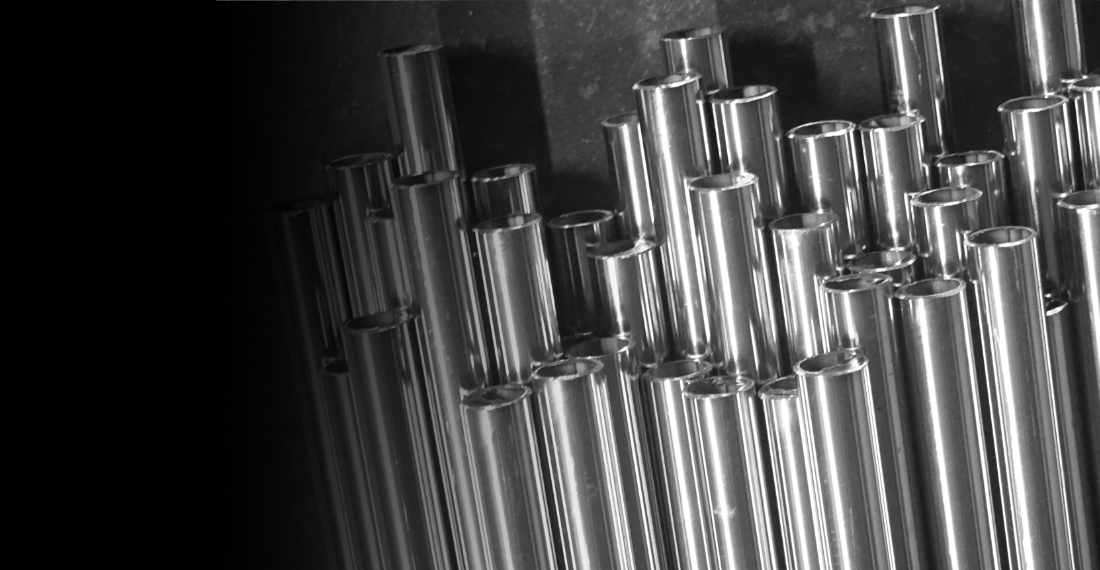
NO if: the item is rebar (separate ferrous grade), pipe (usually separate), light-gauge framing, profiled steel sheet, expanded metal, mesh, or thin tubing.
YES if: the steel is substantially free of concrete, paint, insulation, asbestos, non-ferrous attachments, plastic, rubber, oil and fluid contamination. Small amounts of weathering, surface rust, residual paint and minor non-ferrous fasteners are acceptable.
NO if: the item is significantly contaminated. Concrete-encased steel from demolition, asbestos-clad structural sections, fireproof-clad steel, steel with attached insulation residue, steel with significant non-ferrous attachments (heavy copper or brass fittings), or oil-soaked steel from industrial decommissioning does not qualify for shearing until cleaned or sectioned.
YES if: the steel originates from a documented construction site (new-build offcuts), a demolition project (with appropriate consents), or industrial decommissioning. The load can be traced back to its origin.
NO if: the provenance is unclear or suggests theft. Steel without documented provenance is rejected under SMDA 2013, regardless of physical grade. Bring the relevant Waste Transfer Note, site reference, or contractor identification with the load.
If all six answers are YES, the load qualifies as shearing-grade and is charged at the premium ferrous rate. If any answer is NO, the load is graded at the next tier down (HMS 1, HMS 2, Light Iron or mixed iron), depending on which criterion failed.
A reference list of common items. Where dimensional cutting is required, each piece must be brought within 1.50 m × 0.60 m.
These all grade as HMS 1, HMS 2, Light Iron, or other categories. Separate them at source so they do not contaminate a clean shearing load.
The formal regulatory basis for shearing-grade steel in the UK is the BMRA, UK Steel and Cast Metals Federation UK Specifications for Metals Recycling for Ferrous Raw Materials (3rd Edition, 2025), which defines Grade 1A: Plate and Structural Steel as follows: [1]
“OA Plate and structural, consisting of cut structural and plate arisings, predominantly 6 mm thick, in sizes not exceeding 1.50 m × 0.60 m.”
The specification is used by UK and European electric arc furnace mills (Liberty Steel, Celsa, British Steel and others) and secondary steel producers to define the feedstock for which they will pay the premium rate. The 6 mm thickness threshold reflects the metallic density per cubic metre of furnace charge required for efficient operation. The 1.50 m × 0.60 m dimensional limit reflects the size envelope that can be handled by the receiving site’s shears, shredders and furnace charging equipment without further sectioning. [1][2]
The relationship between Shearing OA and the adjacent ferrous grades:
For a site manager handling new-build offcuts or demolition arisings, the operational lever is the same: cut to the 1.50 m × 0.60 m envelope, keep the load clean, segregate it from other grades, and present it at the weighbridge in a dedicated container. Each step closes the gap to the premium Shearing OA rate.
Even under a clean shearing load, contamination can lower the grade:
For a site manager overseeing a continuous flow of construction or demolition, the trade account model removes per-load grading uncertainty. Dunmow’s RoRo containers delivered to your site allow your team to load shearing-only into one container and downgrade material into separate containers, capturing the rate for each grade rather than defaulting the whole load.
Every legitimate shearing-grade steel transaction in England and Wales is governed by the Scrap Metal Dealers Act 2013 (SMDA 2013), which took effect on 1 October 2013 in direct response to the UK metal theft crisis. Construction site steel theft (particularly of heritage and listed-building steel, scaffolding components, and unsecured site material) remains a recurring enforcement focus. [3][4]
Four core requirements apply to every legitimate shearing transaction:
For site managers, the practical implication is that the construction project’s Waste Transfer Note paperwork integrates with the SMDA transaction record. The audit trail is complete from the construction site to the permitted receiving site, which is what BREEAM Wst 01 / Wst 02 and Section 106 sustainability evidence require anyway.
At a properly run facility, the process is the same every time. If a buyer skips a step, it is a signal that something is wrong.
For demolition contractors, structural steel contractors, M&E project managers, civil engineering firms and infrastructure project teams that generate shearing-grade steel continuously, a trade account is the operational solution. A Dunmow Group trade account offers:
This is what running a tight ship looks like on the customer side: fast, easy, reliable, and fully compliant for every transaction.
We operate three scrap metal weighbridge facilities across Essex (Chelmsford, Colchester/Brightlingsea, and Clacton), accepting all categories of ferrous and non-ferrous metal, including shearing-grade structural steel. Our dedicated metals weighbridge at Chelmsford handles the highest volume of construction and demolition steel, with grade-by-grade inspection, dimensional verification, and same-day electronic payment to the seller’s nominated account. [8]
That same-day payment is the operational standard we hold ourselves to. Do what we say. It is the first of our three customer commitments, and on the shearing weighbridge it means a clear grade ticket, an accurate weight, a verified grade, a fair price, and payment processed before the seller leaves the site.
For construction sites with active steel flow, we deliver RoRo containers (20, 30 or 40 cubic yards) directly to site, schedule exchanges around your programme, and settle your trade account on monthly terms, with full BREEAM and Section 106 evidence documentation.
Our five core values, Passion, Innovation, Trust, Community, Hard Work (PITCH), are how we run the ferrous metals operation, not a poster on the wall.
Choosing Dunmow Group means choosing a partner that is safe and compliant, delivers great value, and makes the entire shearing recycling process fast and easy for construction site teams. We hold ourselves to three operational drivers for every weighbridge ticket.
Shearing-grade steel is the premium ferrous category at the UK weighbridge: BMRA Grade 1A Plate and Structural, defined by four hard criteria (thickness 6 mm and above, dimensions within 1.50 m × 0.60 m, plate or structural section, substantially clean). Meeting all four criteria captures the premium rate; failing any one drops the grade to HMS 1, HMS 2, Light Iron, or mixed iron, depending on where the load falls short.
For site managers, the operational approach is consistent across all projects. Apply the six-question decision tool on site (ferrous, thickness, dimensions, section type, cleanliness, provenance), use the qualify/don’t-qualify reference list to sort the load into the appropriate containers, cut oversized pieces to the 1.50 m × 0.60 m envelope before dispatch, segregate downgraded material into separate containers, and bring the load to a licensed, BMRA-aligned weighbridge with the documentation chain intact.
What matters in every shearing transaction is weighing at a licensed, calibrated, professionally run facility, with valid ID, traceable payment, BREEAM and Section 106 evidence documentation where applicable, and a ticket that breaks the load down grade by grade. That is what we do at Dunmow Group, and it is why construction site teams across Essex consistently recover more value through our weighbridge than they would with a mixed-grade settlement elsewhere.
Bring your shearing to Dunmow Group at Chelmsford, Colchester or Clacton, and weigh in with confidence. For construction sites with continuous structural steel output, open a trade account and we will deliver the containers to you.
Chelmsford: 01245 466646 | Clacton: 01255 360031 | Colchester: 01206 307070 | dunmowgroup.com | WhatsApp: 07902 802802
[1] British Metals Recycling Association (BMRA), UK Steel and Cast Metals Federation: UK Specifications for Metals Recycling for Ferrous Raw Materials, 3rd Edition (2025), Grade 1A: Plate and Structural Steel specification. https://www.recyclemetals.org
[2] BMRA Acceptance Criteria for Bulk UK Ferrous Scrap (industry guidance on quality and safety, applicable to HMS 1, HMS 2, OA Plate and Girder, Light Iron 5B/5C and WEEE grades). https://www.recyclemetals.org/newsandarticles/bmra-publishes-quality-and-safety-guidance.html
[3] BBC News: Cable theft delays on railways fall sharply (80% reduction following SMDA 2013, illustrating broader Act effectiveness across all metal theft categories). https://www.bbc.co.uk/news/uk-29109733
[4] Scrap Metal Dealers Act 2013 | legislation.gov.uk. https://www.legislation.gov.uk/ukpga/2013/10/contents
[5] Dunmow Group: Certifications & Permits. https://www.dunmowgroup.com/about-us/documents/
[6] Home Office Supplementary Guidance: Cashless payment (Section 12) and identity verification under SMDA 2013. https://www.gov.uk/government/publications/scrap-metal-dealers-act-2013-supplementary-guidance/scrap-metal-dealers-act-2013-supplementary-guidance-accessible
[7] Dunmow Group: ISO 9001, ISO 14001, ISO 45001 accreditations. https://www.dunmowgroup.com/about-us/documents/
[8] Dunmow Group: Scrap Metal Recycling Essex. https://www.dunmowgroup.com/scrap-metal-essex/
© Dunmow Group 2026 | Dunmow House, Regiment Business Park, Eagle Way, Chelmsford, Essex CM3 3FY | dunmowgroup.com | 01245 466646
These Stories on Scrap Metal
-1.png)
Dunmow House
Regiment Business Park
Eagle Way
Chelmsford, Essex, CM3 3FY
Call us: 01245 466646
Gorse Lane Industrial Estate
Stephenson Road
Clacton-On-Sea
CO15 4XA
Call us: 01255 360031
Dunmow House
Regiment Business Park
Eagle Way
Chelmsford, CM3 3FY
Call us: 01245 466646
Gorse Lane Industrial Estate
Stephenson Road
Clacton-On-Sea
CO15 4XA
Call us: 01255 360031
Morses Lane
Brightlingsea
Colchester
CO7 0SD
Call us: 01206 307070
Copyright © 2025 Dunmow Skips Ltd T/A Dunmow Group. All Rights Reserved.


No Comments Yet
Let us know what you think