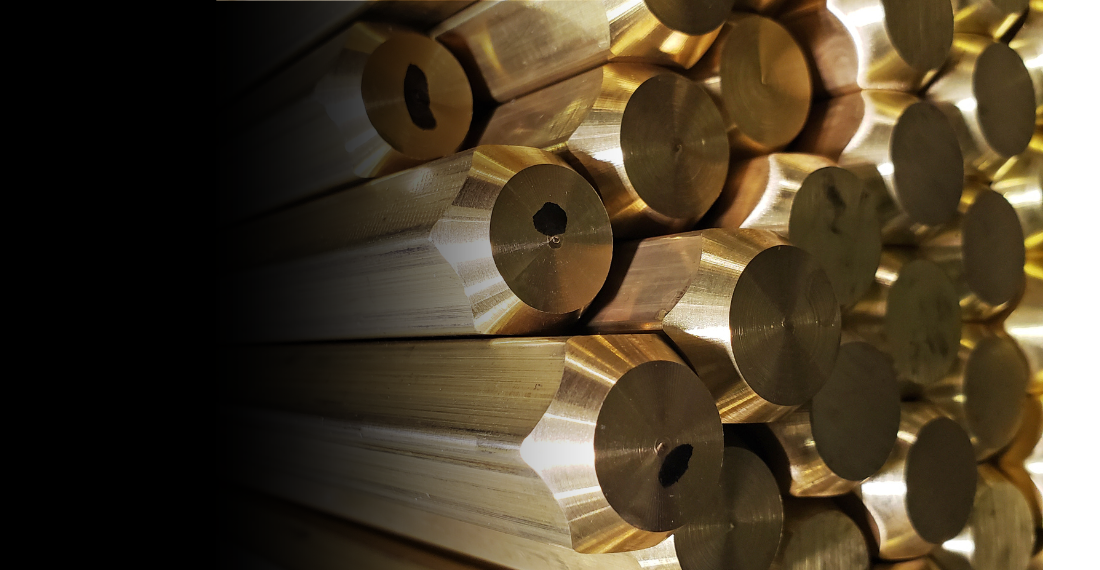
Brass is the metal most consistently lost to general waste on UK refurbishment sites. A copper-zinc alloy with excellent machinability, corrosion resistance and acoustic properties, brass has been used in plumbing, gas fittings, decorative ironmongery and engineering applications for over two thousand years. Kilo for kilo, brass settles at a rate close to copper at the top of its grade ladder, but per-job volumes are small. As a result, significant brass value is routinely lost to skips on sites where ten minutes of segregation would recover it.
Brass is an alloy of copper (typically 60 to 70%) and zinc (30 to 40%), with small percentages of lead, tin or aluminium, depending on the specific grade. The copper content gives brass its colour (yellow to red, depending on the zinc ratio), its corrosion resistance and its electrical conductivity. Brass is non-magnetic, denser than aluminium, softer than steel, and easy to cast and machine. UK industry uses brass extensively for plumbing valves, gas fittings, taps, door furniture, electrical accessories, lighting fittings and architectural ironmongery. Heritage applications include church and memorial brass.
Brass is generated continuously from UK refurbishment work. Bathroom and kitchen strip-outs produce taps, mixers, shower valves and radiator valves. Gas Safe engineers generate brass from boiler swaps, gas hob replacements and meter changeouts. Locksmiths and door specialists generate brass from lock cylinders and ironmongery. Electricians strip out brass terminals from sockets, switches and light fittings. Historic plumbing strip-outs produce gunmetal valves and brass cisterns. Heritage building refurbishments yield brass door furniture and architectural ironmongery. The volumes are individually small but cumulatively significant for any continuous trade operator.
UK scrap yards grade brass to international ISRI/ReMA specifications. The four main grades are Honey (high-copper red brass and gunmetal, the premium grade), Ivory (standard yellow brass, the largest UK stream), Pallu (mixed brass where the alloy composition has not been segregated) and Night (lower-grade brass with attachments or paint residue). Specialty grades include Ebony (free-cutting leaded brass) and Lake (modern lead-free brass for drinking water applications). The price gap between Honey and Night for the same nominal weight of brass is significant; segregation by colour and type pays back at settlement.
Steel insert pins from radiator valves, plastic and ceramic cartridge components from taps, chrome plating on bathroom fittings, soldered copper pipe stubs still attached to brass valves, and rubber seals all reduce the grade. Mixing yellow and red brass in one container defaults to the Pallu (lower) rate unless segregated. Memorial and heritage brass is zero-tolerance: legitimate documented sources only, never unidentified items, under the SMDA 2013 framework.
Brass pricing tracks the underlying LME copper rate, adjusted for zinc content (zinc has its own LME price) and the specific alloy composition. Higher-copper alloys (Honey, gunmetal) settle at a higher rate than lower-copper alloys (Pallu) because the refiner can recover more copper per tonne of feedstock. Clean segregation, removal of non-brass attachments, and proper grading at the weighbridge capture the live alloy-adjusted rate. Heritage and memorial brass provenance, where it exists, is verified through SMDA documentation.
We accept all brass grades at our three Essex weighbridges: Chelmsford, Colchester (Brightlingsea), and Clacton. We offer calibrated weighing, grade-by-grade ticketing, electronic same-day payment, and full SMDA 2013 compliance. For continuous trade volumes, open a trade account and we will deliver RoRo containers to site.
For full technical depth, see our Brass: The Small-Volume, High-Value Metal Hiding in Every Refurbishment pillar article on the Dunmow Group blog.
Chelmsford: 01245 466646 | Clacton: 01255 360031 | Colchester: 01206 307070 | dunmowgroup.com | WhatsApp: 07902 802802
These Stories on Scrap Metal
-1.png)
Dunmow House
Regiment Business Park
Eagle Way
Chelmsford, Essex, CM3 3FY
Call us: 01245 466646
Gorse Lane Industrial Estate
Stephenson Road
Clacton-On-Sea
CO15 4XA
Call us: 01255 360031
Dunmow House
Regiment Business Park
Eagle Way
Chelmsford, CM3 3FY
Call us: 01245 466646
Gorse Lane Industrial Estate
Stephenson Road
Clacton-On-Sea
CO15 4XA
Call us: 01255 360031
Morses Lane
Brightlingsea
Colchester
CO7 0SD
Call us: 01206 307070
Copyright © 2025 Dunmow Skips Ltd T/A Dunmow Group. All Rights Reserved.



No Comments Yet
Let us know what you think