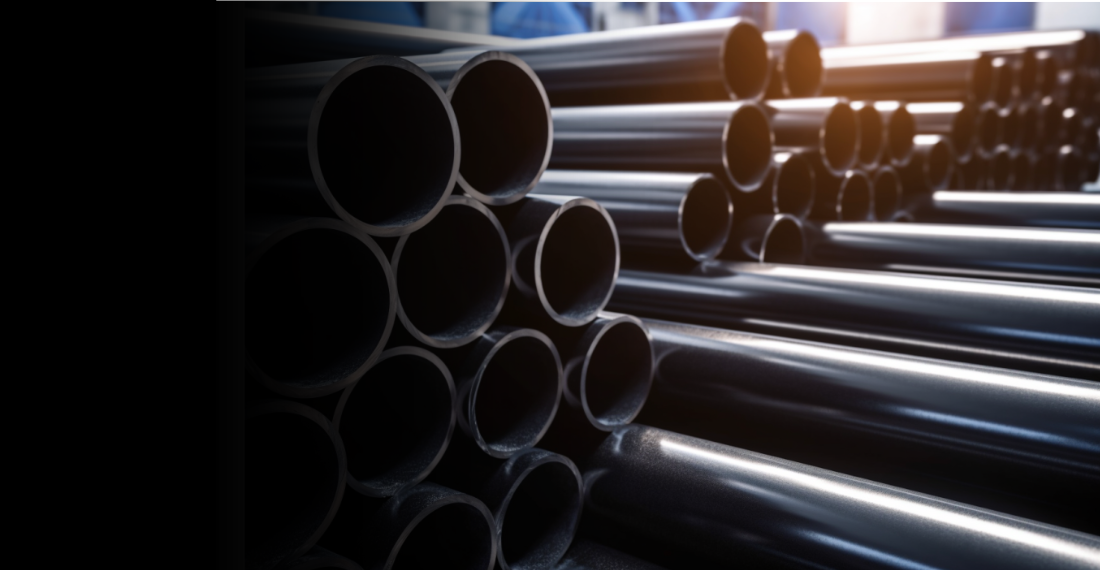
Stainless steel is the engineering material that quietly underpins UK food production, healthcare, marine infrastructure, commercial kitchens and architectural design. A family of iron-chromium alloys with a minimum 10.5% chromium content, stainless steel forms a self-repairing passive oxide layer that gives it corrosion resistance that ordinary carbon steel cannot match. At the weighbridge, the critical distinction between 304 and 316 grades drives the settlement rate, with the molybdenum content in 316 making it the marine grade and materially increasing its per-tonne value.
Stainless steel is a family of iron-chromium alloys. The 300-series austenitic grades (304 and 316) dominate UK industrial use and contain chromium, nickel, and (in 316) molybdenum. 304 typically contains 18% chromium and 8% nickel, with no molybdenum. 316 contains 16-18% chromium, 10-14% nickel, and 2-3% molybdenum, the addition that gives it superior resistance to chlorides. The 400-series (ferritic and martensitic) grades are magnetic, lower in nickel and cost. Stainless steel is repeatedly recyclable without loss of properties, with the alloy chemistry preserved through the remelt process.
UK stainless steel arises from commercial kitchen strip-outs (worktops, ranges, hoods, ducting), M&E refurbishments (HVAC ducting, plant room pipework, sanitary pipework), food and pharma facility decommissioning (process vessels, lines, clean rooms), dairy and brewery equipment change-outs (mash tuns, fermenters, CIP systems), marine fittings (bollards, cleats, deck hardware), architectural cladding and balustrading, and domestic stainless (sinks, cookware, appliances). Catalytic converters contain stainless canisters but are handled as a specialist stream due to their platinum-group metal content.
UK scrap yards grade stainless steel by alloy type and condition. 304 Solid and 304 Turning are clean, unmixed 304 stainless. 316 Solid and 316 Turning are clean, unmixed 316 (including 316L). Mixed 18/8 is unsegregated 300-series stainless, defaulting to the 304-equivalent rate. 400 Series covers ferritic and martensitic grades. Other Stainless Alloys captures specialty 321, 347, 310, 309, duplex and exotic grades. XRF (X-ray fluorescence) verification at the weighbridge identifies specific alloy chemistry where load value or composition uncertainty justifies the instrument time.
Plastic, rubber and gasket material from dismantled valves; carbon steel attached to stainless brackets, fasteners or vessel stiffeners; insulation residue from pipework and ductwork; food, dairy or pharma process residues; and the single most expensive contamination, mixed 304 and 316 in one container, which defaults the load to the 304 rate unless segregated. High-value specialty alloys (Inconel, Hastelloy, Monel, titanium) mixed with stainless are flagged by XRF and settled at the specialty rate.
Stainless steel pricing tracks the LME nickel and chromium contracts, with molybdenum content pushing the 316 rate above 304. UK weighbridge settlement accounts for alloy type, solid versus turnings condition, contamination level, and the sterling exchange rate. The price differential between 316 and 304 for the same weight of load is material, which is why segregation at source pays back. XRF-verified loads settle higher than unverified loads of nominally the same grade because the certification reduces the mill’s chemistry risk.
We accept all stainless-steel grades at our three Essex weighbridges: Chelmsford, Colchester (Brightlingsea), and Clacton. XRF verification for uncertain or speciality loads. Calibrated weighing, grade-by-grade ticketing, electronic same-day payment, and full SMDA 2013 compliance. For continuous trade volumes, open a trade account and we will deliver RoRo containers to site.
For full technical detail, see our Stainless Steel Grades 304 vs 316 pillar article on the Dunmow Group blog.
Chelmsford: 01245 466646 | Clacton: 01255 360031 | Colchester: 01206 307070 | dunmowgroup.com | WhatsApp: 07902 802802
These Stories on Scrap Metal
-1.png)
Dunmow House
Regiment Business Park
Eagle Way
Chelmsford, Essex, CM3 3FY
Call us: 01245 466646
Gorse Lane Industrial Estate
Stephenson Road
Clacton-On-Sea
CO15 4XA
Call us: 01255 360031
Dunmow House
Regiment Business Park
Eagle Way
Chelmsford, CM3 3FY
Call us: 01245 466646
Gorse Lane Industrial Estate
Stephenson Road
Clacton-On-Sea
CO15 4XA
Call us: 01255 360031
Morses Lane
Brightlingsea
Colchester
CO7 0SD
Call us: 01206 307070
Copyright © 2025 Dunmow Skips Ltd T/A Dunmow Group. All Rights Reserved.



No Comments Yet
Let us know what you think